For Lesotho's textile workers, Trump's tariff damage is already done
Published on: Monday 04 August 2025
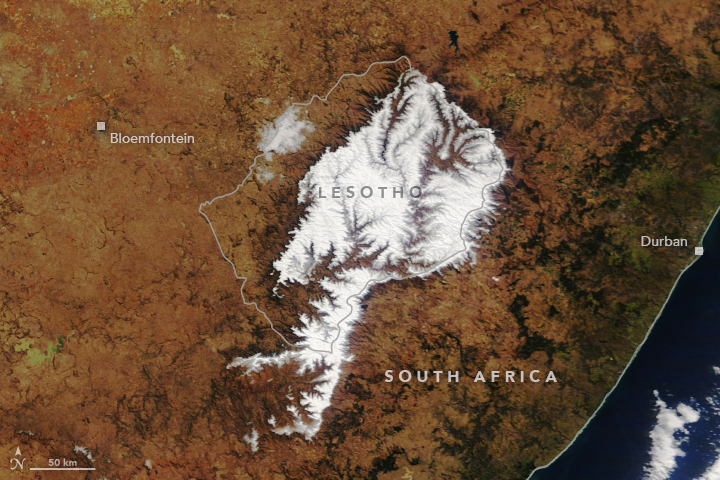
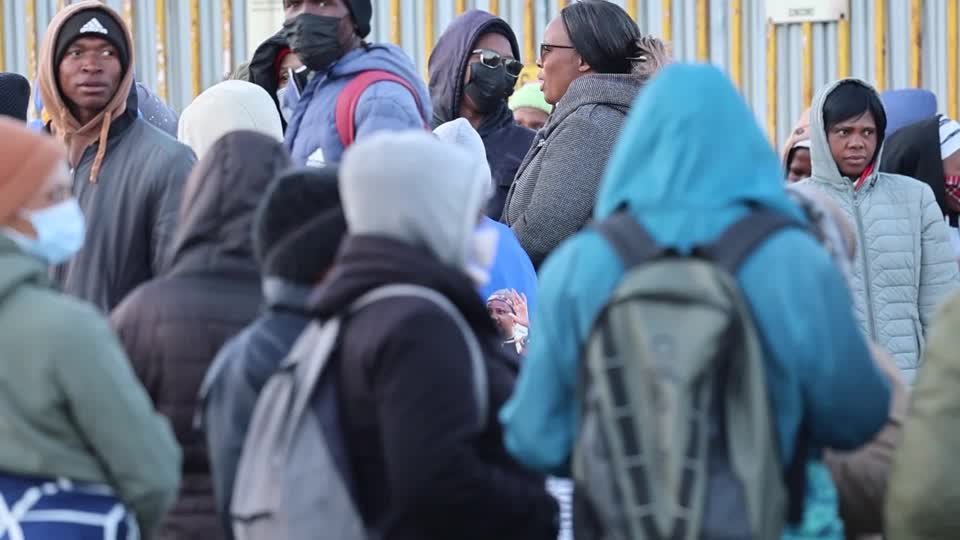 STORY: Every morning, Matsoso Lepau queues at the gates of a garment factory in Lesotho's capital Maseru for a job that no longer exists.For three months, Lepau and other laid-off workers have gathered here after the imposition of U.S. tariffs led to the widespread cancelation of orders, followed by job losses and factory closures.“It doesn't sit well with me that we come here but our lives are tough, things are really difficult.”Lesotho's textile industry - which produces jeans and other garments for popular U.S. brands such as Levi's and Walmart - is its biggest private employer.But it was hit hard when U.S. President Donald Trump announced a 50% tariff on the Southern African kingdom's exports in April.And though he slashed that tariff to 15% last week, for many the damage was already done.Lepau says he's now lost his income of between $162 and $168 a month.He hopes that the lower tariff might mean he gets his job back."The buyers, have stopped, have canceled..."Analyst Thabo Qhesi has his doubts."So, it means the 15% didn't make the difference, you know, because the orders are not coming." Lesotho's textile industry employs around 40,000 people and accounts for roughly 90% of manufacturing exports, according to Oxford Economics.That makes it a key source of employment and foreign exchange for the poor, landlocked country.However, Lesotho's trade minister has raised concerns that the reduced 15% tariff rate does not go far enough - pointing to competition from Kenya and Eswatini, both of whom have 10% rates.
RELATED NEWS